
HomeExhibitions

「KOGEI Art Fair Kanazawa 2026」
Wa.gallery + 古美術上田
会期:2026年11月27日(金)–11月29日(日)
11.27|VIPプレビュー(招待者限定)13:00–19:00
11.28|一般公開 11:00–19:00
11.29|一般公開 11:00–18:00
※最終入場は各日終了の30分前
会場:ハイアット セントリック 金沢 2F
〒559-0011 大阪市住之江区北加賀屋4-1-55
石川県金沢市広岡1-5-2
https://kogei-artfair.jp/
Dates
November 27 (Fri) – November 29 (Sun), 2026
November 27 | VIP Preview (Invitation Only) 13:00–19:00
November 28 | Open to the Public 11:00–19:00
November 29 | Open to the Public 11:00–18:00
Last admission is 30 minutes before closing each day.
Venue
Hyatt Centric Kanazawa, 2F
1-5-2 Hirooka, Kanazawa, Ishikawa, Japan
https://kogei-artfair.jp/
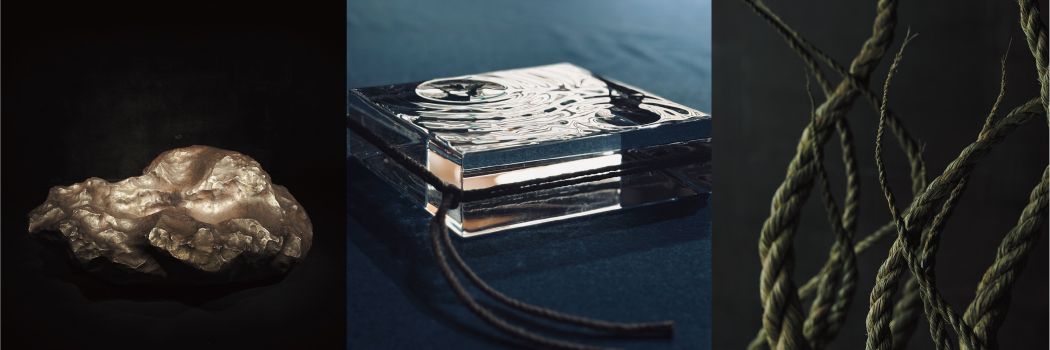
このたびWa.galleryは、ハイアット セントリック 金沢にて開催される「KOGEI Art Fair Kanazawa」に、古美術上田と共同で出展いたします。
ご多忙の折とは存じますが、ぜひご来場いただけますと幸いです。
_
空を裂いて落ちる石。揺らぎつづける炎。とどまらない水。
三人の作家が今回向き合ったのは、どれも一瞬ごとに姿を変え、手に留めておけないものです。
作家たちはそれを、時間のかかる手仕事で留めようとしています。
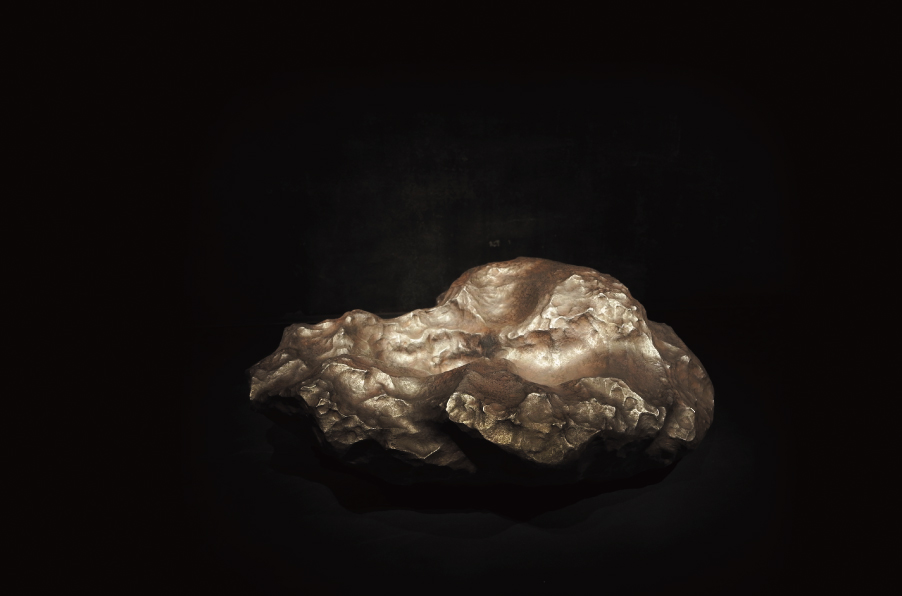
三上洸希は新潟・燕で地場の金属加工に携わりながら、独自に研究した鉄の打ち出しと、燕三条に伝わる鎚起銅器の技法を重ねてきました。その手で鉄を打ち、《隕石》をつくりました。
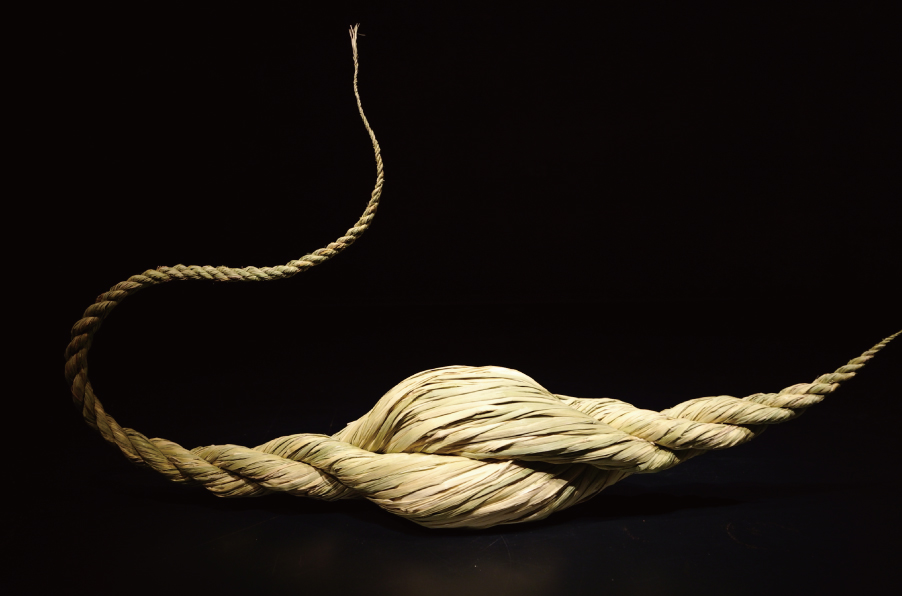
藤井桃子は京都・花背の山里で希少品種「あさひもち」の稲を自ら育て、その藁で作品をつくります。鞍馬の火祭りの草鞋も手がけてきた作家が、炎をテーマに、高さ1.5メートルの《不動》を藁で立ち上げました。
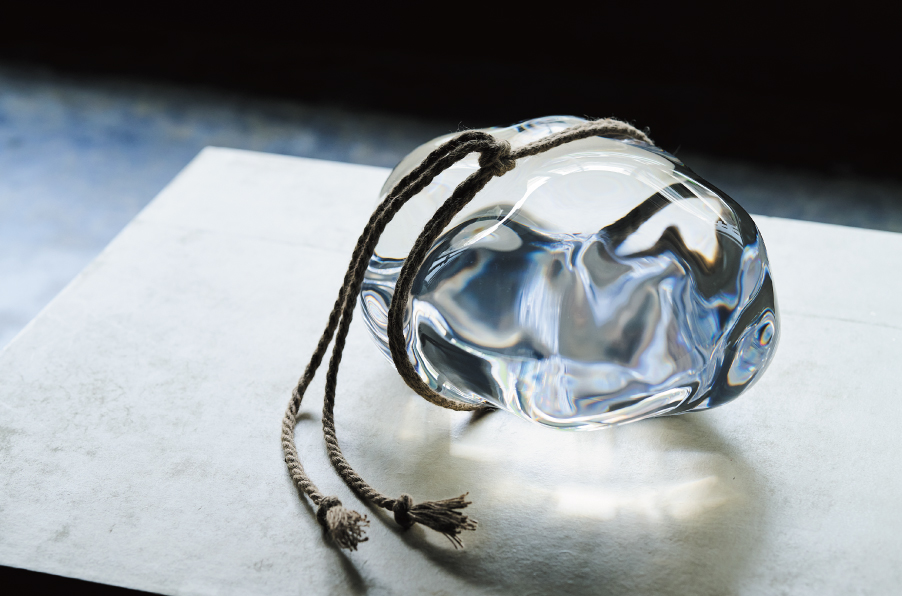
俵藤ひでとはアクリル職人の二代目。層を重ね、磨きの精度を上げて、硬く透明な素材にやわらかな色の移ろいを宿してきました。水をテーマにした《Like a stone, like water.》は、題のとおり、留まるものと流れるもののあいだにあります。
一瞬は、作り手の手のなかでは長い時間になります。
藤井の炎は、稲を育てるところから始まっています。三上の鉄は打たれた数だけ表情を変え、俵藤のアクリルは磨かれた分だけ光を深くします。
三人は時間を惜しまず、揺れ動くものを、ひとつのかたちに定めていきます。
「定(じょう)」とは、仏教で、揺れ動く心が静まり、一点に落ち着いた状態を指す言葉です。
燃えるもの、流れるもの、落ちてくるもの。その動きを手の時間で鎮め、かたちとしてそこに在らせる。私たちはこの展示を「定」と名づけました。
古美術上田は、時代を越えて残ってきた器や道具と向き合いながら、いまの作り手の仕事にも目を向けてきました。
Wa.galleryは大阪で、「日本の残すべきもの」をテーマに、作品を空間ごと届けてきました。
残ってきたものを見てきた目と、これから残すべきものを探す目。
その二つが、今回はじめて金沢で並び、同じ作り手を選びました。
いま生まれたこの工芸が、いつか誰かにとっての古美術になる。
私たちは、そう信じています。
Wa.gallery is pleased to announce that we will be exhibiting jointly with Ueda Antiques at KOGEI Art Fair Kanazawa, held at Hyatt Centric Kanazawa.
We would be delighted if you could visit us at the fair, despite your busy schedule.
A stone falling through the sky. A flame that continues to flicker. Water that never comes to rest.
The three artists in this exhibition have each turned their attention to something that changes its form from one moment to the next, something that cannot be held in place.
Through painstaking, time-intensive craftsmanship, they seek to give these fleeting phenomena a lasting form.
Koki Mikami works in Tsubame, Niigata, where he is involved in the region’s metalworking industry. Combining his own research into hammered iron with the traditional Tsuiki copperware techniques passed down in Tsubame-Sanjo, he has developed a distinctive approach to metalwork. Through the act of hammering iron, he has created Meteorite.
Momoko Fujii cultivates rice from the rare Asahimochi variety in the mountain village of Hanase, Kyoto, and creates her works using its straw. Having also made straw sandals for the Kurama Fire Festival, she now turns her attention to fire, creating Fudo, a 1.5-meter-tall sculpture made entirely of straw.
Hideto Tawara is a second-generation acrylic craftsman. Through layering and increasingly precise polishing, he has imbued this hard, transparent material with the subtle transitions of soft color. His work Like a stone, like water., which explores the theme of water, exists precisely between what remains and what flows, as its title suggests.
For the maker, a fleeting moment becomes a long span of time.
Fujii’s flame begins with the cultivation of rice. Mikami’s iron changes its expression with every strike of the hammer. Tawara’s acrylic reveals a deeper luminosity with every polish.
The three artists devote themselves to time, bringing shifting, unstable phenomena into a single, defined form.
In Buddhism, Jo (定) refers to a state in which the restless mind becomes still and settles upon a single point.
That which burns, flows, or falls. To quiet its movement through the time of the hand, allowing it to exist as a tangible form.
We have named this exhibition Jo.
Ueda Antiques has long engaged with objects and vessels that have survived across generations, while also turning its attention to the work of contemporary makers.
Wa.gallery, based in Osaka, has presented works and their surrounding spaces under the theme of “What Japan Should Preserve.”
An eye that has observed what has endured, and an eye searching for what should endure in the future.
For the first time, these two perspectives come together in Kanazawa, united in their selection of the same artists.
The craft being created today may one day become an antique to someone.
We believe this.
三上 洸希 Kouki Mikami
1997年、新潟県新発田市生まれ。長岡造形大学卒業後、金工作家・須佐真氏に師事し、金工の技術を学ぶ。2022年、新発田市に工房を構え、制作活動を開始。
伝統的な金工技術を基盤としながら、現代的な感覚を作品に反映させている。手仕事ならではの表情と、金属という素材の新たな魅力を探求する若手金工作家である。
Born in 1997 in Shibata, Niigata, Japan. After graduating from Nagaoka Institute of Design, he studied metalworking under metal artist Makoto Susa. In 2022, he established his studio in Shibata and began his independent artistic practice.
Grounded in traditional metalworking techniques, he incorporates a contemporary sensibility into his work. As an emerging metal artist, he explores the expressive qualities unique to handcraftsmanship and seeks to reveal new possibilities in the materiality of metal.
俵藤ひでと Hideto Hyodo
俵藤ひでとは、アクリルを主素材に活動する職人・デザイナー・作家。プロダクトからアートピース、伝統文化に関わる作品、さらには店舗什器に至るまで領域を限定せず、立体物のデザイン及び製作を行う。
平面と立体の境界を越える試みや、見る角度や光の当たり方によって印象が変化する作品など、鑑賞体験そのものを重視した制作を行っている。
静謐さと緊張感が同居する作品は、素材の硬質さの中に繊細な感情の揺らぎを内包し、観る者に深い余韻を残す。アクリルの可能性を拡張し続ける作家として注目されている。
Hideto Hyodo is a craftsman, designer, and artist whose practice centers on acrylic. His work spans a wide range of fields, from product design and art pieces to projects rooted in traditional culture and custom fixtures for commercial spaces. He designs and creates three-dimensional objects without limiting himself to any particular genre or discipline.
His practice places particular emphasis on the viewer’s experience, exploring the boundaries between two-dimensional and three-dimensional forms, as well as creating works whose appearance shifts depending on the viewing angle and the way light interacts with the material.
His works embody both tranquility and tension, revealing subtle emotional fluctuations within the material’s inherent rigidity and transparency, and leaving a lasting impression on the viewer. He continues to explore and expand the expressive possibilities of acrylic as an artistic medium.
藤井 桃子 Momoko Fujii
京都の山里花背にて、希少品種である“あさひもち”の稲作を自ら行い、厳選した藁素材の確保と、制作まで一貫して行う。
地域内外から学んだ古来から伝わる日本の藁細工の技法やカタチをもとに、ジュエリーやアートなど、多角的なアプローチで現代に寄り添い、日本人の根源を呼び起こさせる、作品を目指し、藁表現の新たな可能性を広げています。
Based in Hanase, a mountainous village in Kyoto, she cultivates rice of the rare Asahimochi variety herself, overseeing every stage of the process, from growing the rice and carefully selecting the straw to creating her works.
Drawing on traditional Japanese straw-craft techniques and forms learned both within and beyond her local community, she explores contemporary interpretations through diverse approaches, including jewelry and art. Her work seeks to evoke a sense of cultural origins and reconnect people with the deep-rooted sensibilities of Japanese life, while continually expanding the expressive possibilities of straw as an artistic medium.
